
Sustainability Reporting the Smart Way:
A Practical Guide for Modern Organisations
Sustainability reporting has moved from a useful exercise to an essential requirement for most organisations. Customers, regulators, investors, and communities want clear information about how businesses manage environmental risks, social responsibilities, and governance standards. These expectations increase each year, often faster than internal systems can adapt.
Many organisations still rely on reporting methods that were designed for a very different time. They depend on spreadsheets, manual calculations, and scattered data sources. These approaches make reporting slower, less reliable, and harder for teams to manage. The reference material you provided shows how ESG reporting now covers a wide range of topics, including emissions, social impact, and governance structures. This variety makes modern reporting more complex and harder to complete with outdated systems.
A smarter approach is now essential. Smart sustainability reporting allows organisations to collect, organise, and communicate information in a more structured and efficient way. This article explains how that shift works and offers practical steps for organisations that want to improve their reporting approach.
Why sustainability reporting feels harder than it should
Many organisations struggle with sustainability reporting even when they have strong intentions. Several patterns explain why the process has become so demanding.
Data comes from many places.
Information sits across finance teams, operations, HR, procurement, and external partners. Gathering it manually creates delays and inconsistencies.
Frameworks keep evolving.
Companies must understand different regulations, ranging from climate disclosures to modern slavery requirements. As the provided material notes, regional rules across the EU, UK, and USA add pressure for consistent data and internal controls.
Stakeholder expectations are rising.
Investors and customers want clearer explanations of risks, actions, and performance. Many organisations struggle to translate complex data into meaningful insights.
Reporting cycles have become continuous.
What was once an annual exercise now influences planning, risk management, and day-to-day decisions. This shift increases the workload for sustainability teams and supporting departments.
These challenges show why organisations need simpler, more structured reporting systems that reduce manual effort and increase clarity.
What smart sustainability reporting means
Smart sustainability reporting focuses on making the reporting process easier, clearer, and more reliable. It combines good processes, consistent data, and practical tools to help teams complete their reporting without unnecessary complexity.
Smart reporting typically includes four principles:
1. Clear ownership of tasks.
Each reporting area needs defined roles so teams know who collects data, who checks it, and who approves it.
2. Consistent measurement methods.
Using standardised approaches reduces confusion and helps stakeholders compare results over time.
3. Technology that supports reporting.
Modern systems gather data automatically, track progress, and link information to multiple frameworks. The source material explains how ESG platforms simplify data collection and allow reporting across several frameworks without repeating work.
4. Straightforward communication.
Reports must be clear enough for non-specialists to understand while still meeting regulatory expectations.
Smart reporting does not remove the complexity of sustainability topics. Instead, it creates a simpler path through that complexity.
Smart reporting and materiality
Materiality sits at the centre of sustainability reporting. It helps organisations decide which topics matter most and where to focus resources. Smart reporting strengthens this process by introducing structure and clarity.
A modern materiality assessment includes:
-
A simple process that guides internal teams
-
Conversations with stakeholders so their expectations are understood
-
A balanced view of risks and opportunities
-
A clear link to strategy and decision-making
The reference material explains how double materiality is becoming more common, which requires organisations to look at both financial impacts and broader social or environmental effects. Smart reporting supports this by keeping data organised and ensuring that assessments remain consistent across reporting cycles.
Connecting smart reports with global frameworks
Organisations frequently need to report under several frameworks at once. These may include climate disclosures, ESG regulations, and voluntary standards. Without a structured approach, the process becomes repetitive and time consuming.
A smart reporting system helps by:
-
Mapping data to multiple frameworks at once
-
Using a single set of metrics for different requirements
-
Reducing manual duplication
-
Making it easier to update information when regulations change
The provided material shows how frameworks such as GRI, SASB, TCFD, and CSRD expect organisations to disclose consistent and reliable data across environmental, social, and governance topics. Smart reporting brings these expectations together so teams can manage them more easily.
Supporting technology for sustainability reporting
Modern sustainability reporting is difficult to manage without technology. Spreadsheets can help in the early stages, but they become limiting as reporting requirements expand.
Several types of tools play an important role in a smart reporting approach:
Data platforms
These capture and organise information from across the organisation. The reference material highlights how automated data collection reduces manual work and improves reliability.
Dashboards
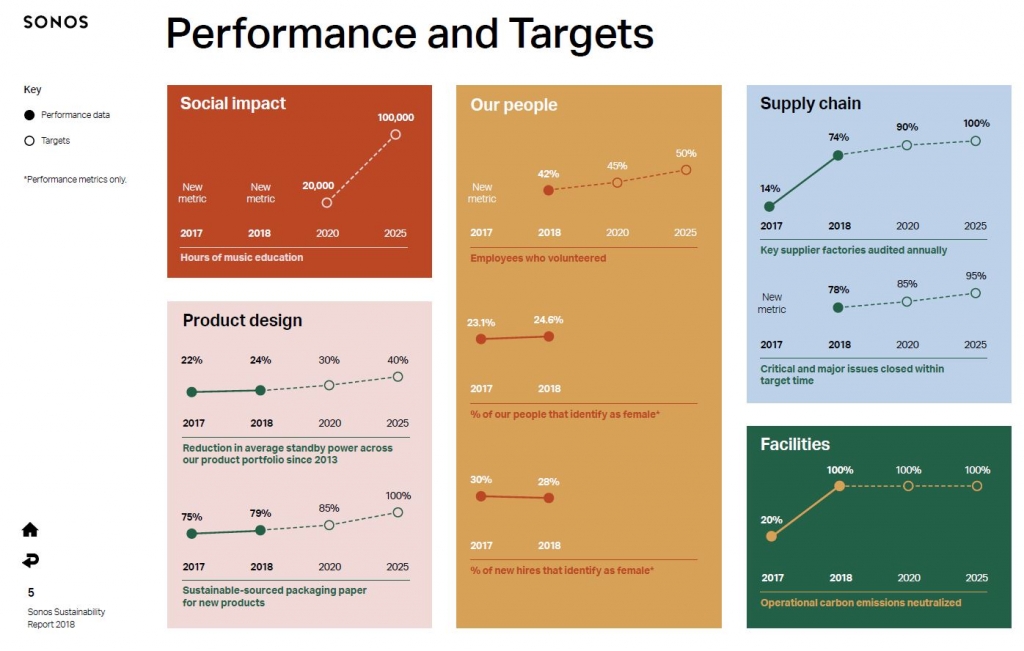
These help leaders and teams track progress, identify concerns early, and plan improvements with clear information.
Multi-framework reporting tools
These systems allow organisations to map one set of data to several reporting frameworks. This prevents repeated work and keeps reporting consistent.
Audit-ready record keeping
Good systems keep evidence, calculations, and approvals well documented. This helps organisations answer questions from regulators, investors, and auditors.
These tools do not replace human judgement. Instead, they support clear decisions and reduce the amount of time spent gathering and organising information.
A simple step-by-step approach to reporting
Smart reporting works best when the process is broken into manageable steps. The following structure supports teams that want to strengthen their reporting approach.
Step 1: Identify what matters most
Use a materiality process that captures risks, opportunities, and stakeholder expectations.
Step 2: Confirm roles and responsibilities
Define who manages each part of the reporting cycle so the process runs smoothly.
Step 3: Build a reliable data foundation
Create a simple system that tracks sources, checks information quality, and stores data in one place.
Step 4: Choose the right frameworks
Select standards that match the organisation’s goals, industry, and regulatory requirements.
Step 5: Use technology where it adds value
Adopt tools that reduce manual work, help teams collaborate, and improve transparency.
Step 6: Communicate clearly
Present information in a way that supports understanding and avoids unnecessary complexity.
Step 7: Review and improve each year
Smart reporting strengthens each time the cycle repeats. Organisations benefit by updating processes regularly.
The benefits of smart reporting
Smart sustainability reporting offers practical benefits that support every part of the organisation.
Better decision-making
Clear information helps leaders identify risks, plan investment, and respond to stakeholder needs.
More efficient workflows
Teams spend less time searching for data and more time analysing results and improving performance.
Greater trust from stakeholders
Reliable information builds confidence with customers, investors, regulators, and communities.
Improved compliance
Smart reporting helps organisations meet expanding regulatory requirements without unnecessary stress.
Stronger internal engagement
Clear processes make it easier for people across the business to take part in sustainability work.
The source material shows how strong sustainability reporting supports financial performance, improves reputation, and assists organisations in attracting talent and investment.
The future of sustainability reporting
Sustainability reporting will continue to evolve as expectations increase worldwide. Organisations can expect more detailed regulations, clearer global standards, and greater focus on climate and nature impacts. The provided material notes that global harmonisation through frameworks like the ISSB is increasing, which will make reporting more consistent across regions in the future.
Smart reporting helps organisations prepare for this future. It creates flexible systems that support growing demands without significantly increasing workload. It also positions organisations to respond confidently to new rules, investor questions, and customer expectations.
We are here to help
Smart sustainability reporting makes the entire reporting cycle clearer and easier for organisations that want to work efficiently and communicate responsibly. It helps teams avoid unnecessary complexity, supports reliable data, and strengthens decision-making at every level.
Context Sustainability helps organisations adopt this smarter approach. Our team guides businesses through materiality assessments, framework selection, data processes, reporting structures, and technology choices. We support organisations that want simple steps, practical solutions, and clear reporting outcomes.
Our Sustainability Reporting Services help businesses:
-
Build structured and reliable reporting processes
-
Reduce manual workload
-
Improve confidence in data and disclosures
-
Align with regulatory and stakeholder expectations
-
Communicate progress with clarity and purpose
If your organisation wants to strengthen its sustainability reporting or move towards a smarter, more efficient approach, our team is ready to support you.
